


Summary: Key Takeaways
To choose the best doors and windows for indoor-outdoor living, each area of your home must be treated differently — not all spaces need the same system.
Here’s a clear, non-overlapping guide:
- Main living openings (interior → backyard) → Slimline sliding or lift & slide doors
- Alfresco (covered outdoor area attached to house) → Stacker or sliding doors
- Pergola (independent outdoor structure) → Sliding glass enclosure systems
- Balcony / apartment edge zones → Sliding windows or doors
- Private interior rooms (bedroom, study) → Casement or awning windows
- Service areas (bathroom, laundry) → Awning windows with obscure glass
- Feature façade / light-focused areas → Fixed windows
The key is selecting the best doors and windows for indoor-outdoor living based on how each space functions — not just aesthetics.
Understanding Zones in an Australian Home
To avoid confusion, we divide a typical home into three distinct zones:
1. Interior Living Zones
(Inside spaces connected to outdoors)
2. Transitional Outdoor Zones
(Semi-outdoor areas attached to the house)
3. External Edge Zones
(Boundaries like balconies or façades)
Each zone requires a different window or door strategy.
1. Interior Living Zones (Inside → Outside Connection)
Applies to:
- Living rooms
- Dining areas
- Open-plan spaces
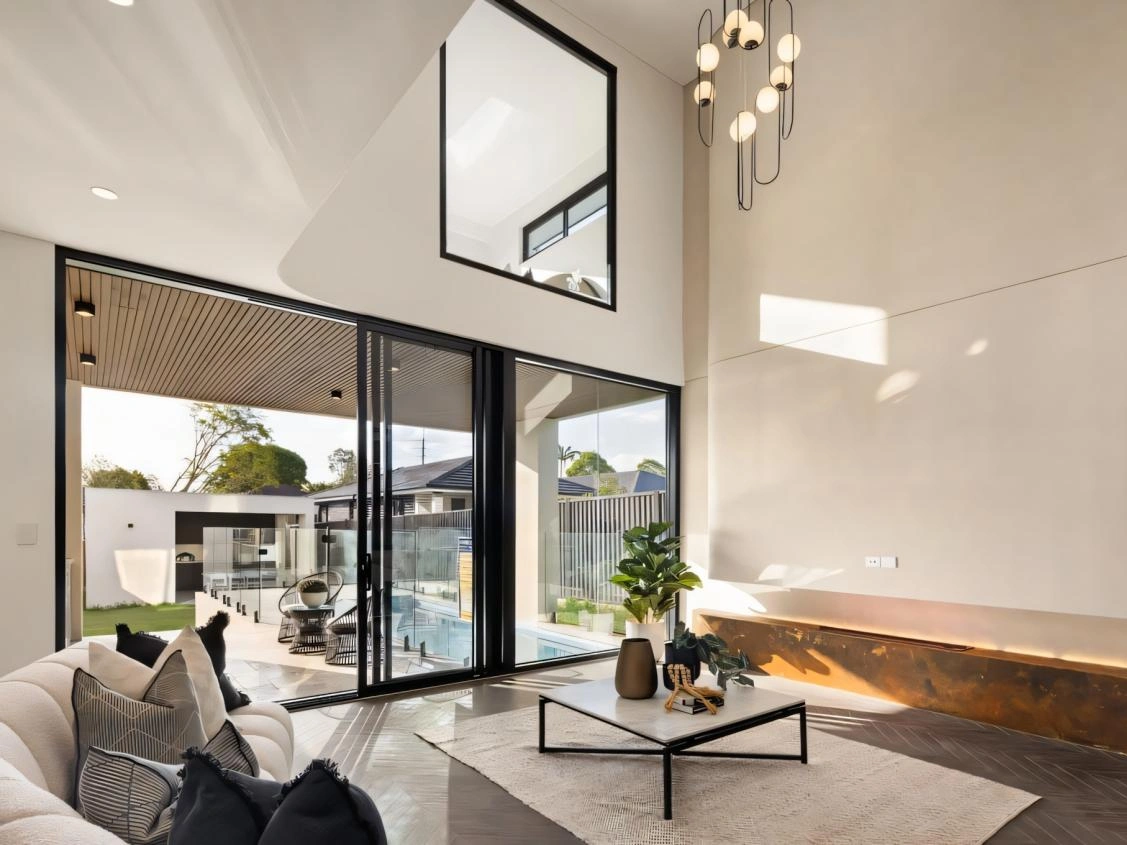
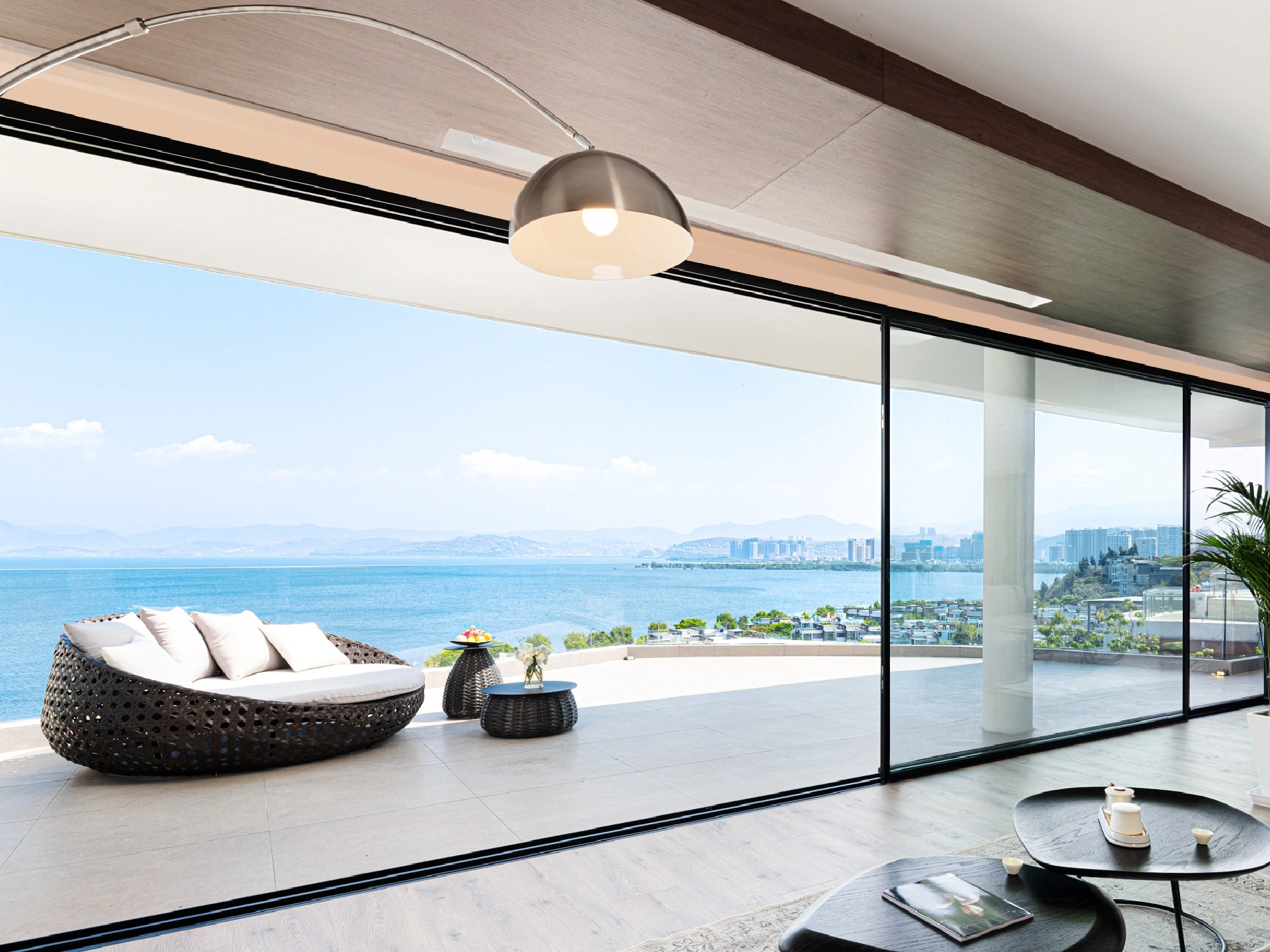
Best option: Slimline Sliding Doors / Lift & Slide Systems
These are the most effective solution for large openings connecting indoors to outdoors.
- Large uninterrupted glass panels
- Smooth, effortless operation
- No swing space required
- Suitable for wide openings
2. Transitional Outdoor Zones (Alfresco Only)
Applies to:
- Covered alfresco areas attached to the house
- Outdoor dining zones under main roof
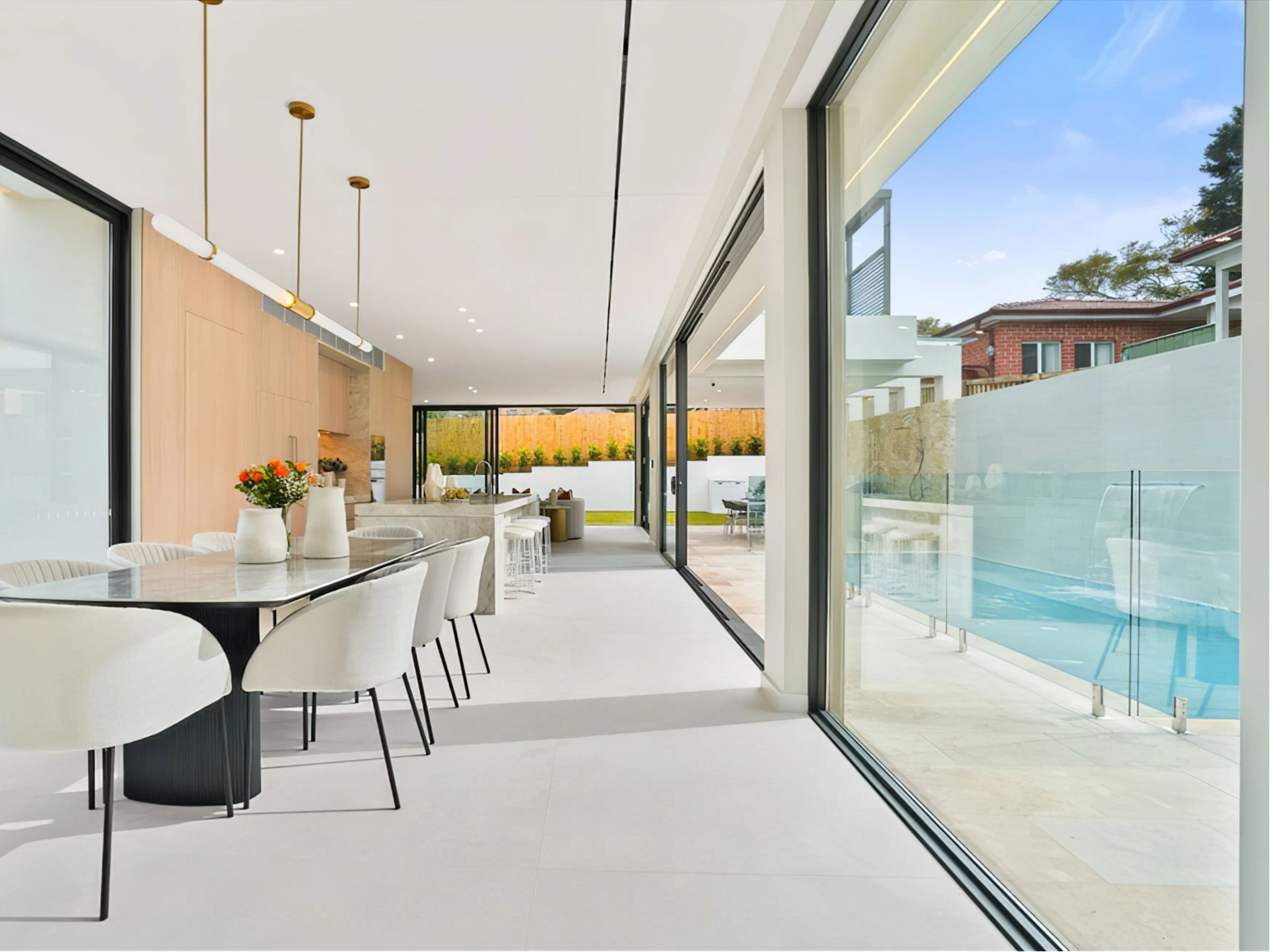
Best option: Sliding or Stacker Doors / Bi-fold Doors
These areas need flexibility between open and enclosed.
1) Sliding / stacker doors:
- Easy daily operation
- Partial or full opening
- Good weather sealing when closed
2) Bi-fold doors:
- Better for full opening entertaining
- Require stacking space and more maintenance
3. Pergola & Independent Outdoor Structures
Applies to:
- Pergolas
- Freestanding outdoor structures
- Backyard covered areas not fully enclosed
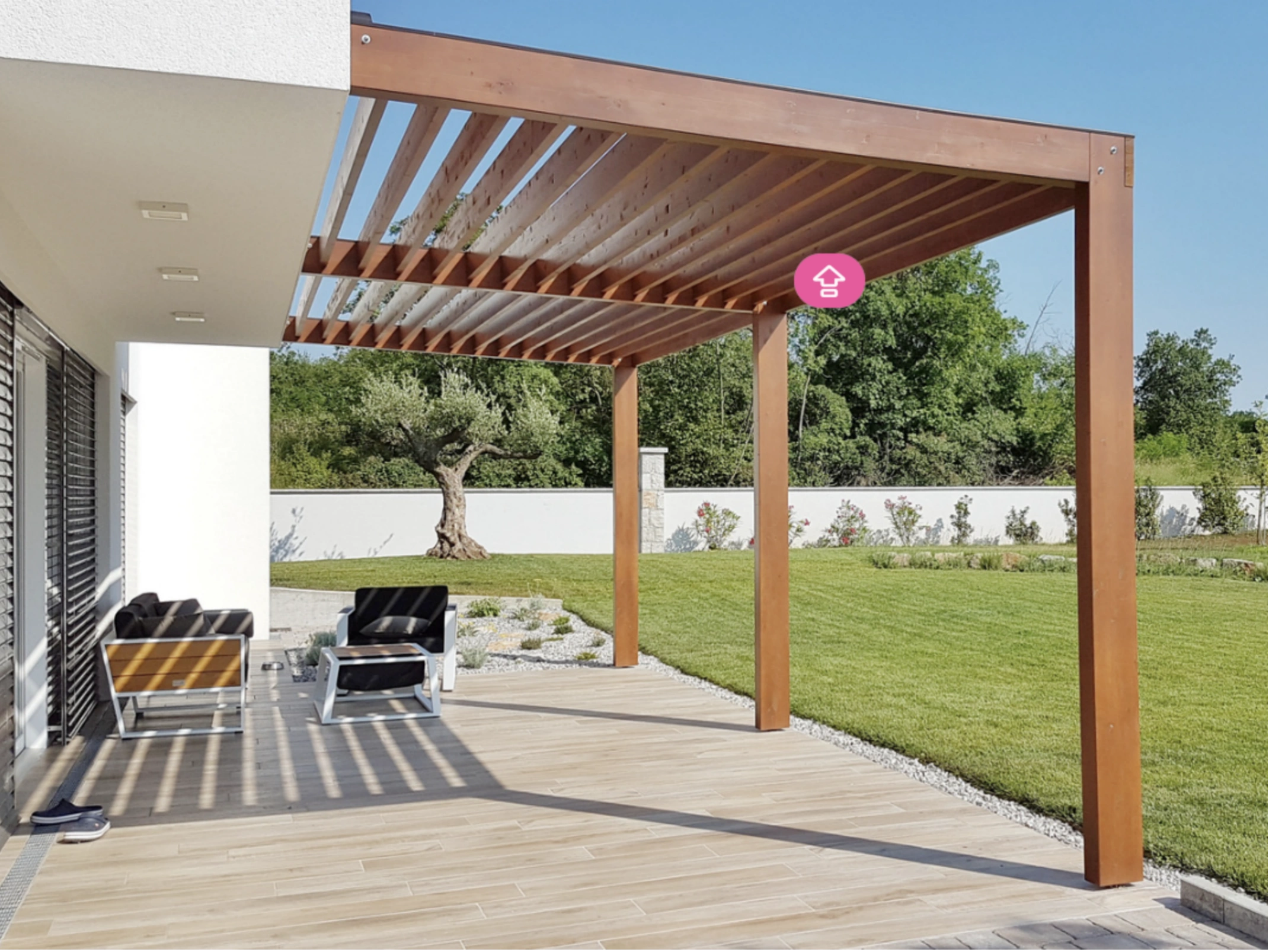
Best option: Sliding Glass Enclosure Systems
Important distinction: Pergola ≠ Alfresco (different structure, different requirement)
Why sliding systems work best:
- Minimal structural impact
- Easy retrofit
- Maintain outdoor feel
- Provide wind and rain protection
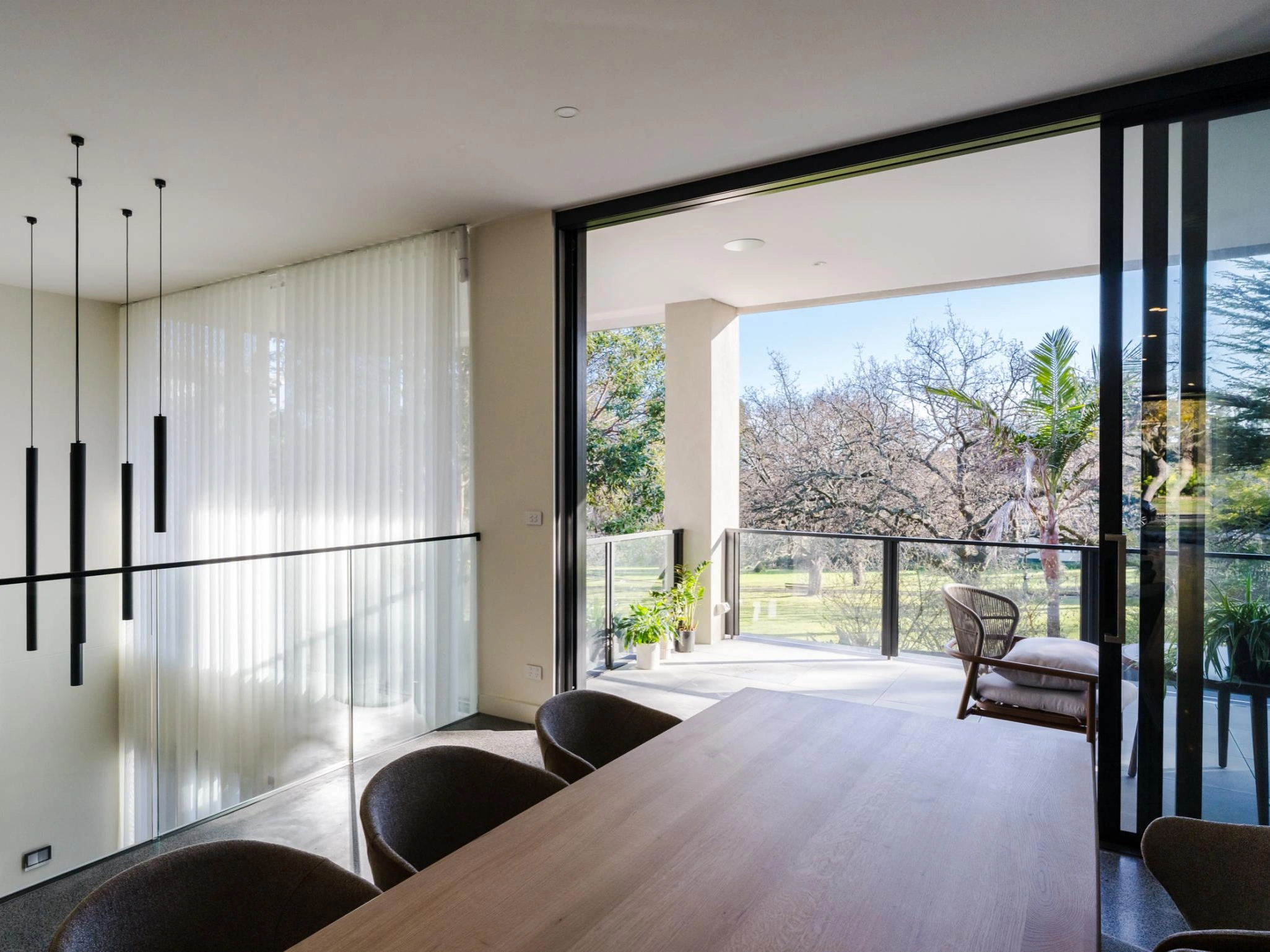
4. External Edge Zones (Balcony / Boundary Areas)
Applies to:
- Apartment balconies
- Duplex side boundaries
Best option: Sliding Windows & Doors
- No swing clearance needed
- Safe for tight areas
- Simple operation
- Allows up to ~50% ventilation opening
5. Private Interior Rooms
Applies to:
- Bedrooms
- Studies
- Home offices
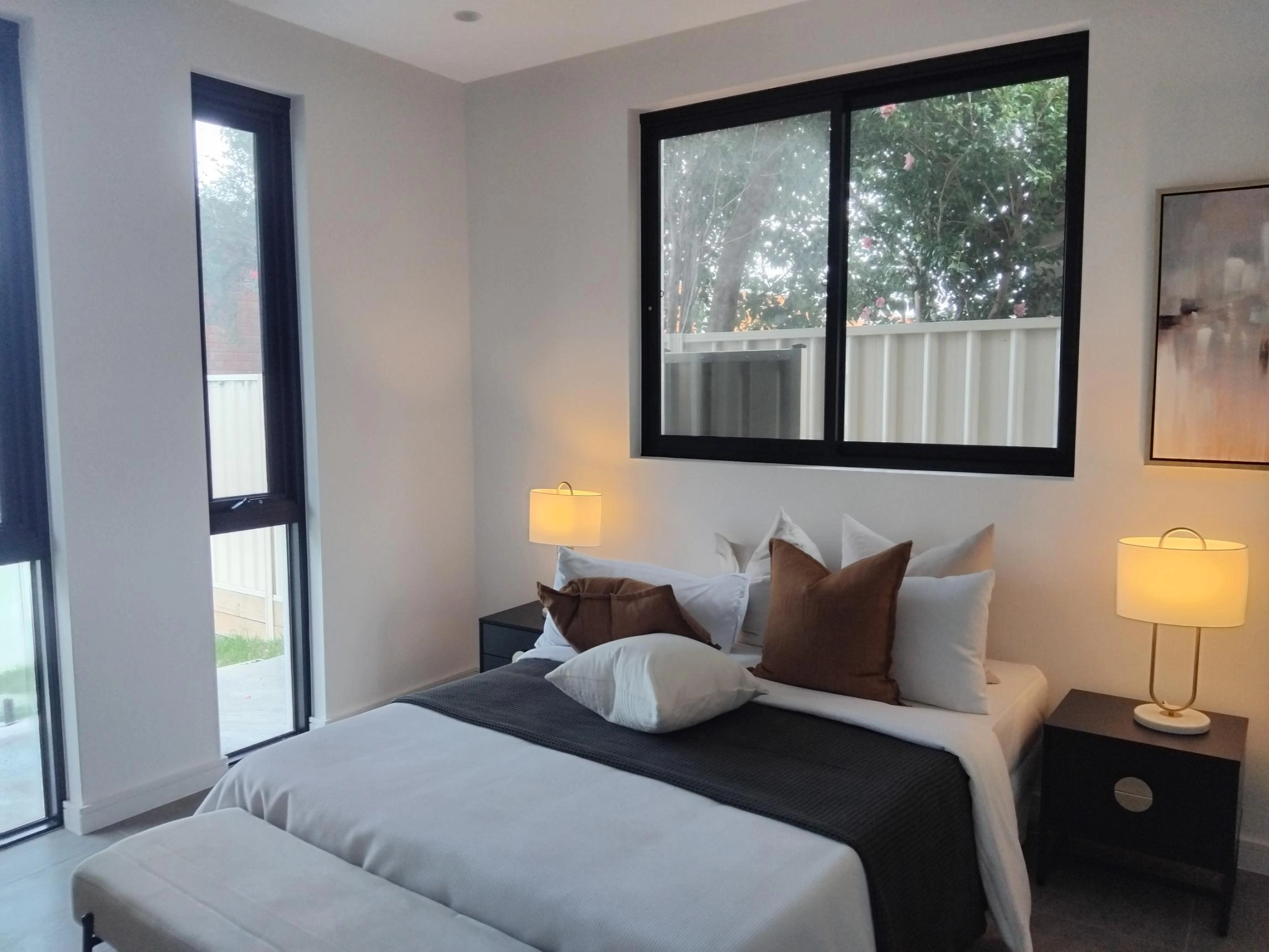
Best option: Casement or Awning Windows
1) Casement windows:
- Maximum airflow
- Strong sealing performance
2) Awning windows:
- Can stay open during rain
- Consistent ventilation
6. Service Areas (Wet Zones)
Applies to:
- Bathrooms
- Laundry rooms
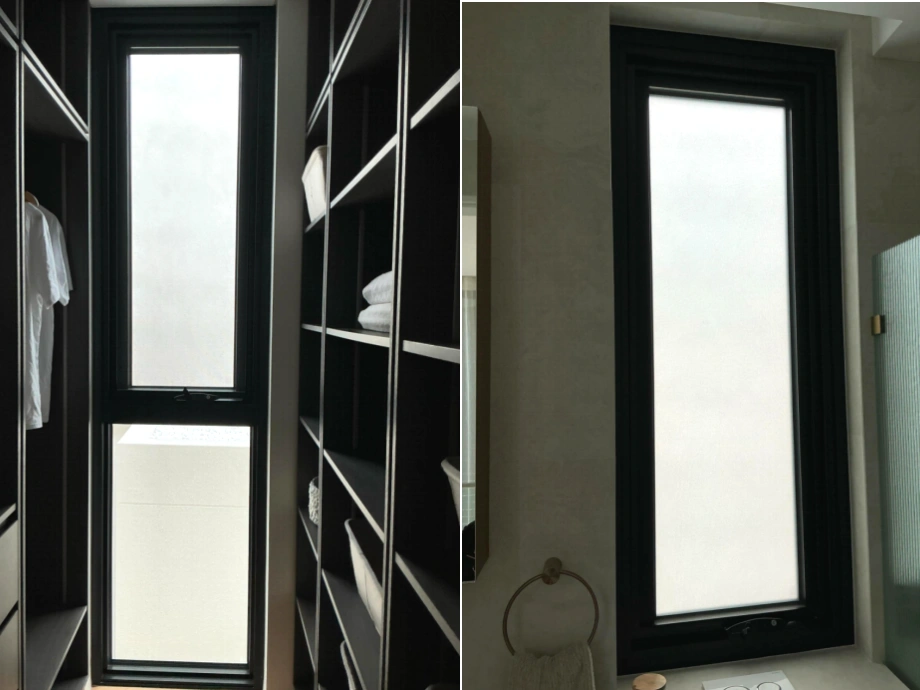
Best option: Awning Windows + Obscure Glass
Key requirements:
- Privacy
- Moisture resistance
- Ventilation
Awning systems:
- Maintain airflow
- Prevent direct visibility
- Fit smaller openings
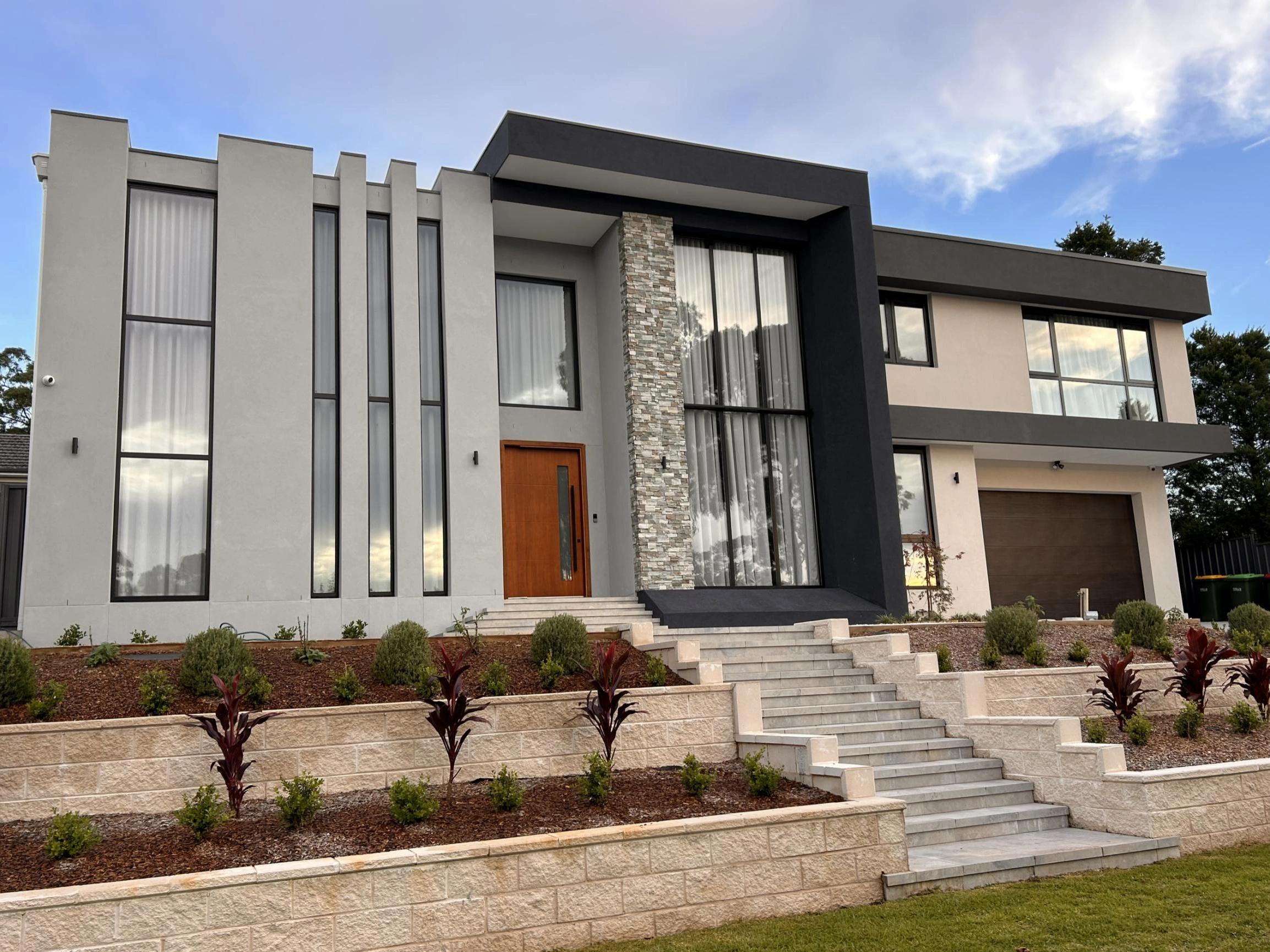
7. Façade & Feature Glazing
Applies to:
- Front façade
- Stair voids
- Double-height spaces
Best option: Fixed Windows
- Clean architectural lines
- No visual obstruction
Performance Matters Across All Zones
To achieve the best doors and windows for indoor-outdoor living, also consider:
Low-E glass → reduce heat gain
Double glazing → improve insulation
Thermal break frames → reduce heat transfer
Laminated glass → improve acoustic performance
Final Thoughts
Good design is not about choosing one system — it’s about choosing the right system for each zone.
By clearly separating spaces and selecting the best doors and windows for indoor-outdoor living, you can achieve:
- Better usability
- Improved comfort
- Stronger architectural design
- Long-term performance
Call to Action
Not sure which system suits your layout?
Our team can help you plan the right combination of doors and windows for every zone in your home.
Contact us for tailored advice; Or visit our showroom to explore different systems in person.