


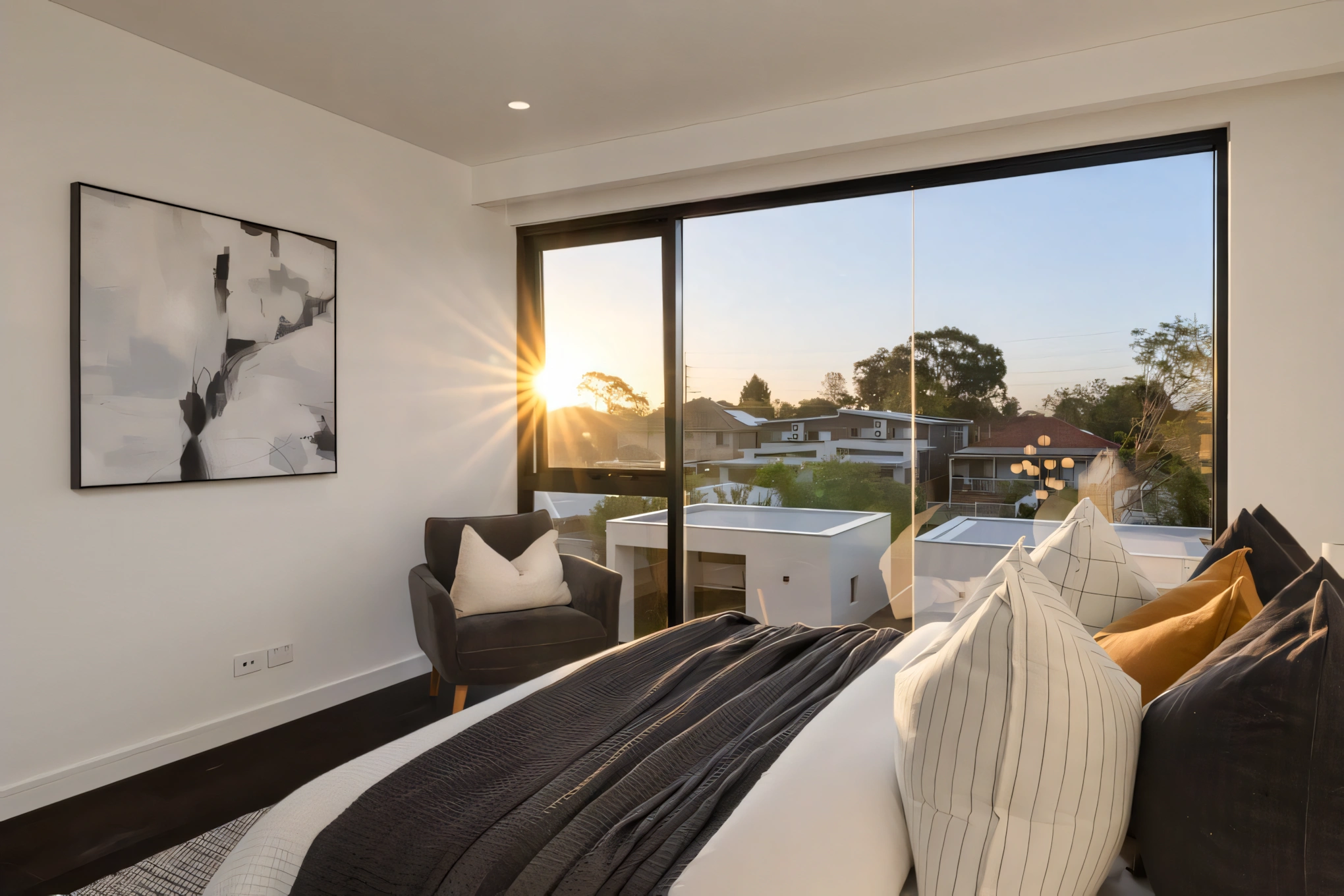
Summary: Key Takeaways
Maximising natural light does not mean your home has to overheat.
In Australian conditions, the most effective way to achieve bright, comfortable interiors is by balancing window orientation, glazing choice, frame performance, and shading strategies — not simply adding more glass.
The most effective solutions include:
- Correct window orientation based on Australian sun paths
- Using Low-E glass to reduce heat gain while maintaining daylight
- Choosing appropriate window styles and opening sizes
- Pairing large glazing with thermal break aluminium frames
- Integrating passive shading elements (eaves, screens, awnings)
This guide explains how to maximise natural light without overheating, using practical, climate-appropriate strategies for Australian homes.
Why Overheating Is a Common Issue in Bright Australian Homes
Australia enjoys abundant sunlight — but that advantage can quickly become a problem if glazing is poorly designed.
Common complaints include:
1. Rooms overheating in summer
2. Excessive glare during the day
3. Increased reliance on air conditioning
4. Uneven indoor temperatures
In most cases, overheating is caused not by too much glass, but by incorrect glass specification and orientation.
1. Window Orientation: Light vs Heat
Understanding orientation is the foundation of good daylight design.
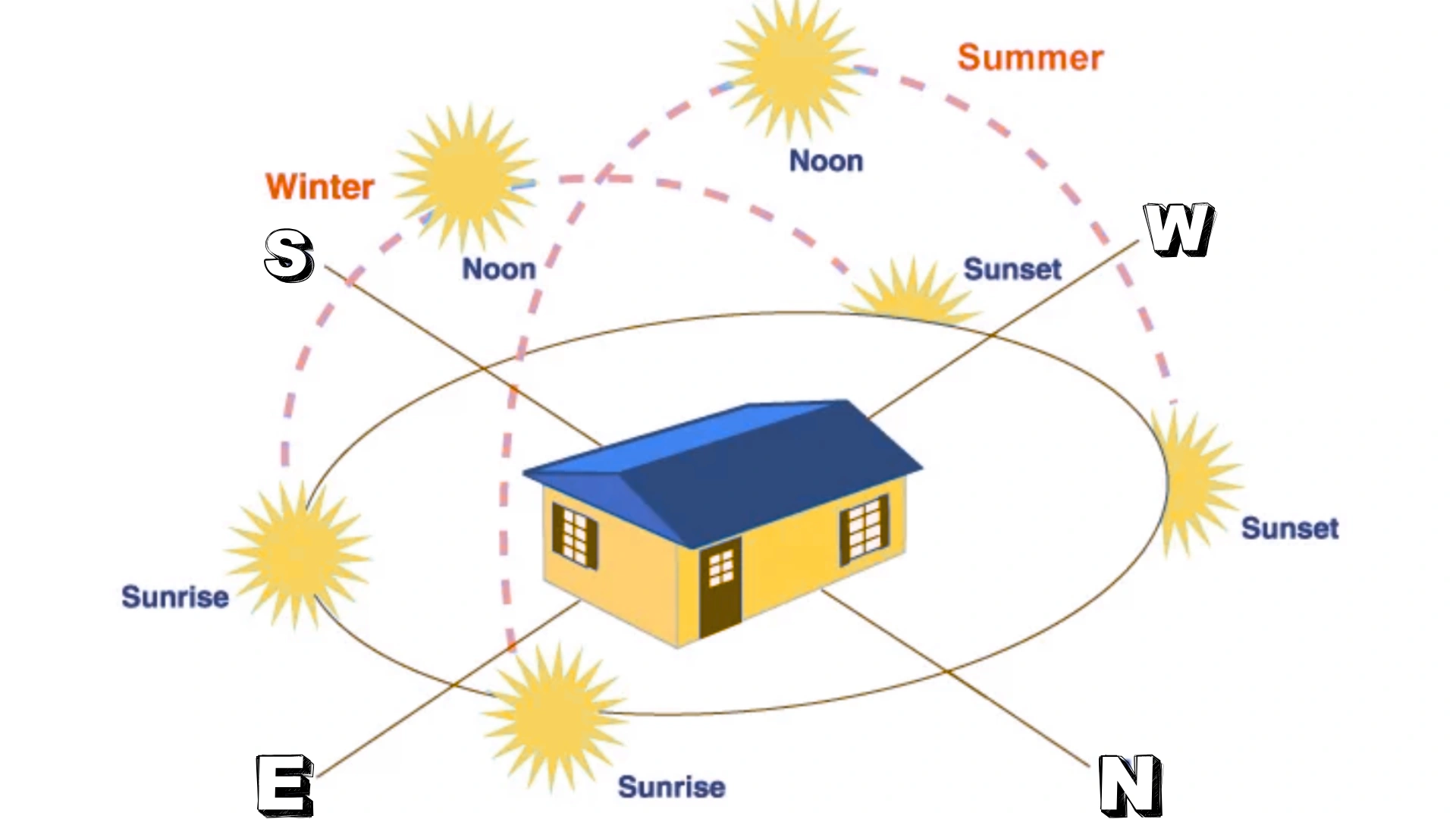
Best Orientations for Natural Light
- North-facing windows
1) Provide consistent daylight
2) Easier to control with eaves
3) Ideal for living areas
- East-facing windows
1) Soft morning light
2) Minimal overheating risk
3) High-Risk Orientations
- West-facing windows
1) Strong afternoon heat
2) Major contributor to overheating
3) Unprotected north-west glazing
4) Requires careful shading and glass selection
External reference: Australian Government – Your Home passive design guidelines
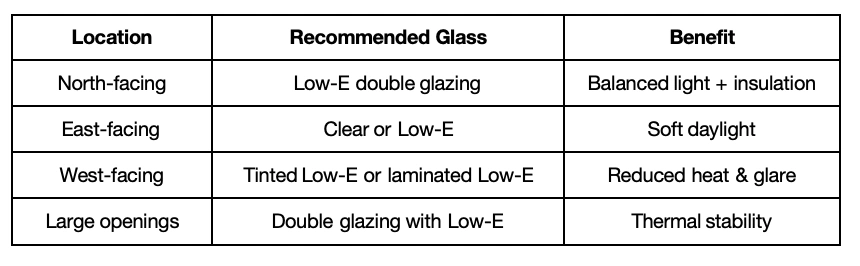
2. Glass Selection: Let Light In, Keep Heat Out
Glass choice is the single most important factor in preventing overheating.
Why Low-E Glass Is Essential
Low-E glass uses a microscopically thin coating to:
- Reflect unwanted solar heat
- Allow high levels of visible light
- Improve overall thermal comfort
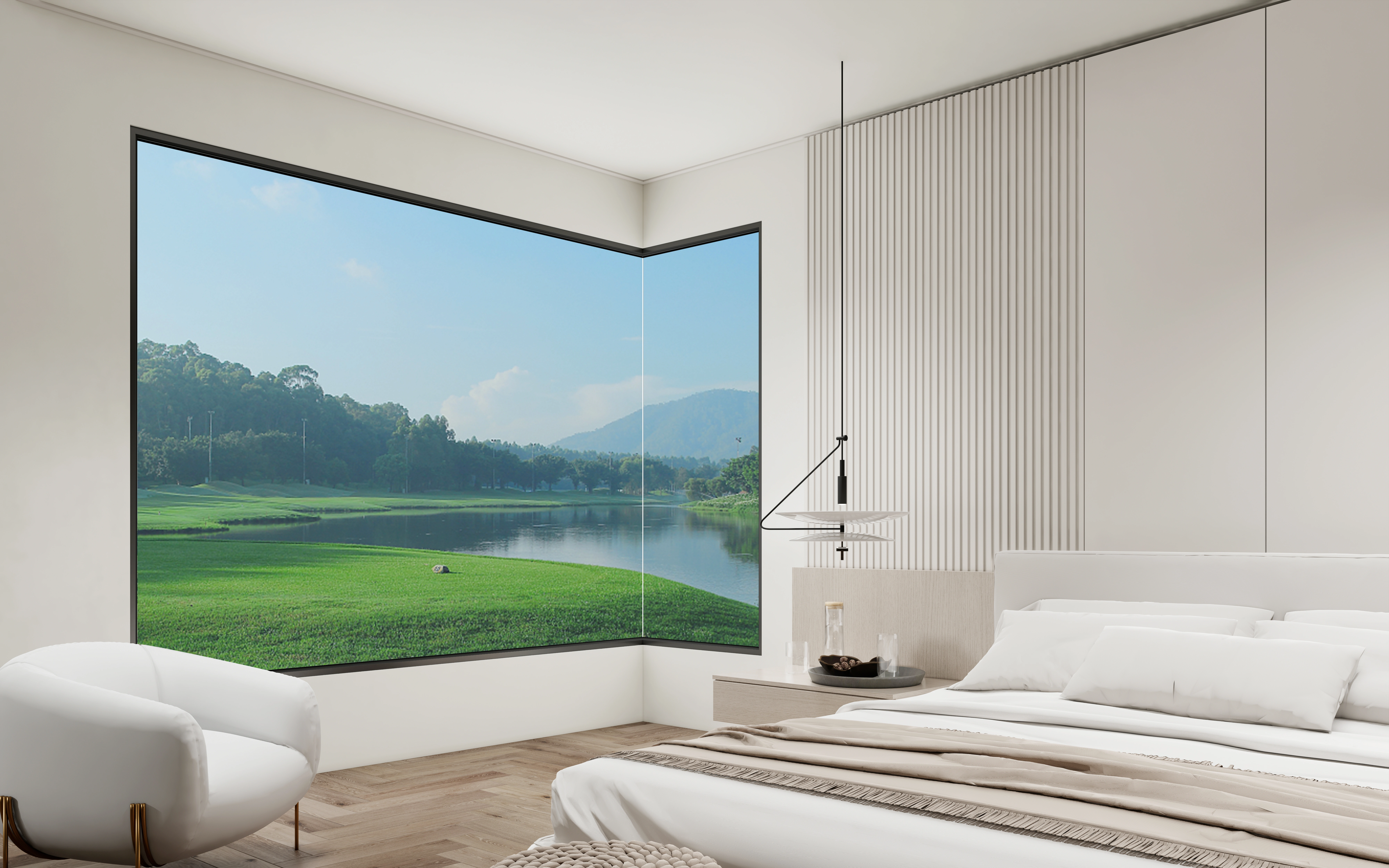
Compared to clear glass, Low-E glass can significantly reduce solar heat gain while maintaining brightness.
3. Window Style Matters More Than You Think
Different window styles control light and heat in different ways.
Best Window Styles for Daylight Control
1) Fixed windows
- Maximum light
- Best combined with performance glass
2) Awning & casement windows
- Allow ventilation to release heat
- Excellent sealing when closed
3) Slimline sliding doors
- Ideal for large openings
- Must be paired with the right glass and frame
4. Frame Choice: Why Thermal Break Matters
Large glass areas amplify the impact of the frame.
Thermal break aluminium frames:
- Reduce heat transfer through the frame
- Improve comfort near windows
- Support energy compliance in high-glazing designs
Standard aluminium frames can undermine even the best glass in sun-exposed areas.
5. Shading: Passive Design That Actually Works
Good daylight design always includes shading.
Effective options include:
- Roof eaves (especially for north-facing glazing)
- External screens or battens
- Adjustable louvers
- Pergolas and architectural fins
Shading controls direct solar gain without sacrificing natural light.
6. Ventilation: Light + Airflow = Comfort
Natural light and ventilation should work together.
Well-placed operable windows allow:
- Hot air to escape
- Cross-ventilation in summer
- Reduced reliance on mechanical cooling
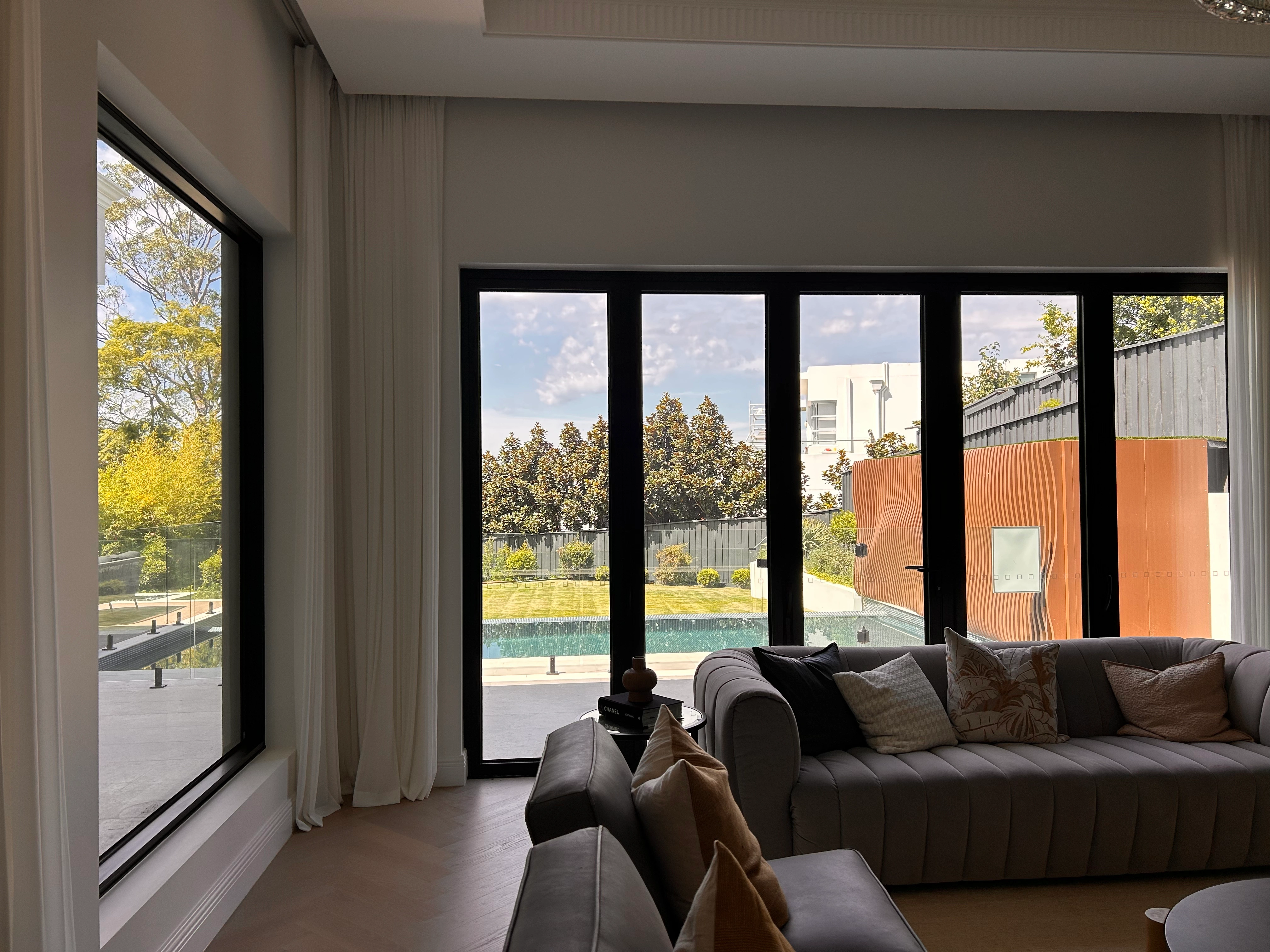
Awning, casement, and sliding systems all play a role when positioned correctly.
Common Mistakes to Avoid
1. “More glass means better daylight.”
→ Orientation and glass type matter more than size.
2. “Tinted glass is the only solution.”
→ Low-E glass often performs better without darkening interiors.
3. “Frames don’t affect overheating.”
→ Aluminium frames can be major thermal bridges.
Final Thoughts
Maximising natural light without overheating is about smart design, not compromise.
By combining:
- Correct orientation
- High-performance glass
- Suitable window styles
- Thermal break frames
- Passive shading
Australian homes can enjoy bright, open interiors without sacrificing comfort or energy efficiency.
Call to Action
Designing a home or renovation with large windows or doors?
Our team can help you select the right window systems, glass specifications, and frame options to maximise daylight while keeping your home cool and comfortable.
Contact us for tailored advice or visit our showroom to experience different glazing and frame options in person