



What You’ll Learn
If you want real noise reduction at home — not just “marketing promises” — the three factors that matter most are glass type, window style, frame system and sealing quality.
In Australia, upgrading to acoustic laminated glass, a well-sealed or thermally broken frame, and proper installation can cut external noise by 30–45 dB, enough to significantly reduce traffic, trains, neighbours, and aircraft noise.
This guide explains the exact window and door configurations that deliver effective sound insulation — in simple, practical language suitable for designers, builders and homeowners.
1. Key Benefits of Acoustic Windows & Doors
Upgrading to acoustic window and door systems brings significant advantages to Australian homes, especially those near highways, schools, train lines, airports or busy neighbourhood streets:
- Reduces outdoor noise dramatically
- Improves sleep and indoor comfort
- Enhances thermal performance
- Boosts property value
- Improves privacy
2. Key Configuration Tips for Better Sound Insulation
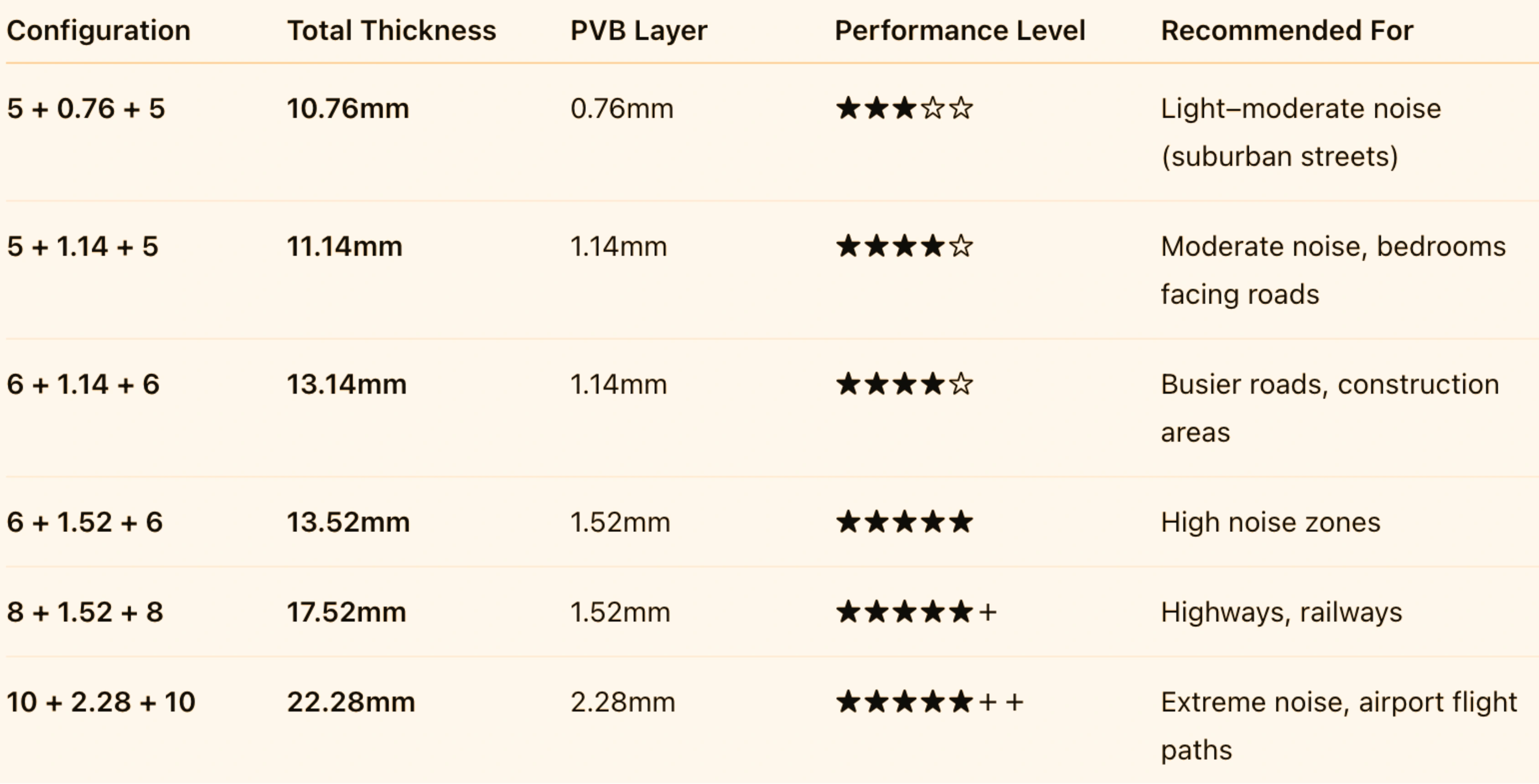
1) Choose laminated glass starting from 10.76mm (5+0.76+5) for meaningful acoustic performance
2) For higher noise levels, use heavier laminated glass with thicker PVB layers
3) Consider single-laminated IGU or double-laminated IGU for maximum acoustic & thermal performance
4) Use awning, casement or fixed windows for better sealing
5) Select thermally broken or high-quality aluminium frames
6) Ensure full perimeter sealing and proper installation
A Complete Guide to Choosing Acoustic Window & Door Configurations
Noise control remains a major comfort issue across many Australian suburbs. The right window and door system can reduce noise dramatically — but performance depends on selecting the correct glass structure, window type, and frame system.
Below is a comprehensive breakdown of acoustic glass configurations available through our product range, including their structure and performance characteristics.
1. Why Soundproofing Matters in Australian Homes
Urban areas in Sydney, Melbourne and Brisbane are becoming denser. With more major roads, train lines, airports and construction zones, noise is one of the most common complaints among homeowners.
Common noise sources in Australia include:
- Busy highways and main roads
- Train and tram lines
- Flight paths
- School and neighbourhood noise
- Construction and redevelopment
- Coastal wind noise
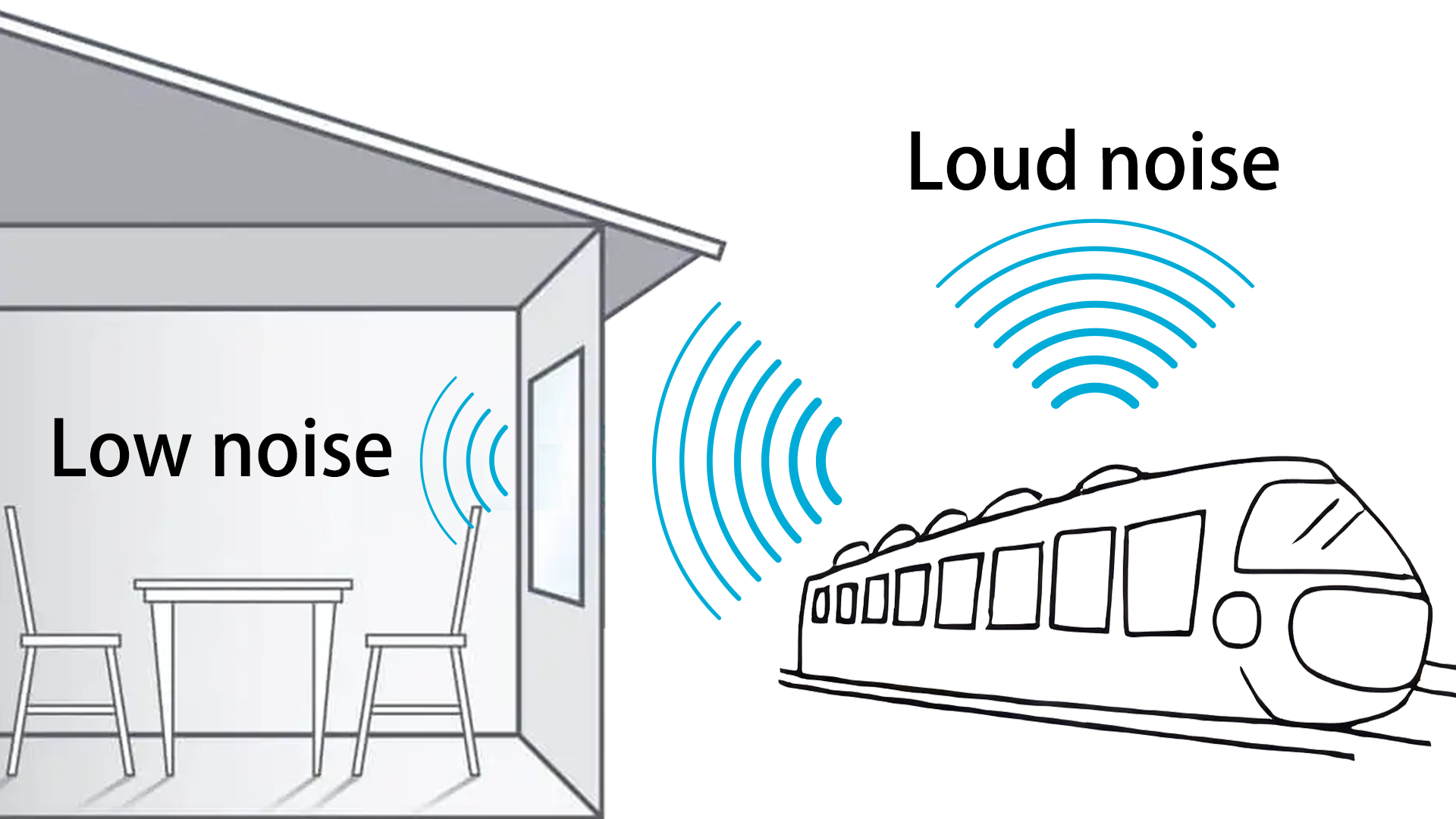
Unlike thermal performance, sound insulation depends less on “double glazing” and more on glass composition, mass, and airtightness.
2. What Actually Affects Soundproofing?
1) Glass Type — The Most Important Factor
Laminated glass is the most effective option because its acoustic PVB interlayer absorbs vibration.
2) Window Style & Frame System — Airtightness Is Everything
Even the best glass won’t perform if the frame leaks air.
3) Seals & Installation — The “Quiet Home” Dealbreaker
A high-performance acoustic window can fail completely if the sealing is poor.
A Complete Guide to Choosing Acoustic Window & Door Configurations
Noise remains a major comfort issue across many Australian suburbs. The right window and door system can reduce noise dramatically — but performance depends on selecting the correct glass structure, window type, and frame system.
Below is a comprehensive breakdown of acoustic glass configurations available through our product range, including their structure and performance characteristics.
1. Glass Selection: The Core of Acoustic Performance
Since glass contributes up to 70% of a window’s acoustic insulation, selecting the proper thickness and structure is critical.
1) Laminated Glass Options
Our standard acoustic laminated glass starts from 5mm tempered + 0.76mm PVB + 5mm tempered, totalling 10.76mm.
A thicker PVB layer improves damping performance and reduces sound vibration across the glass surface.
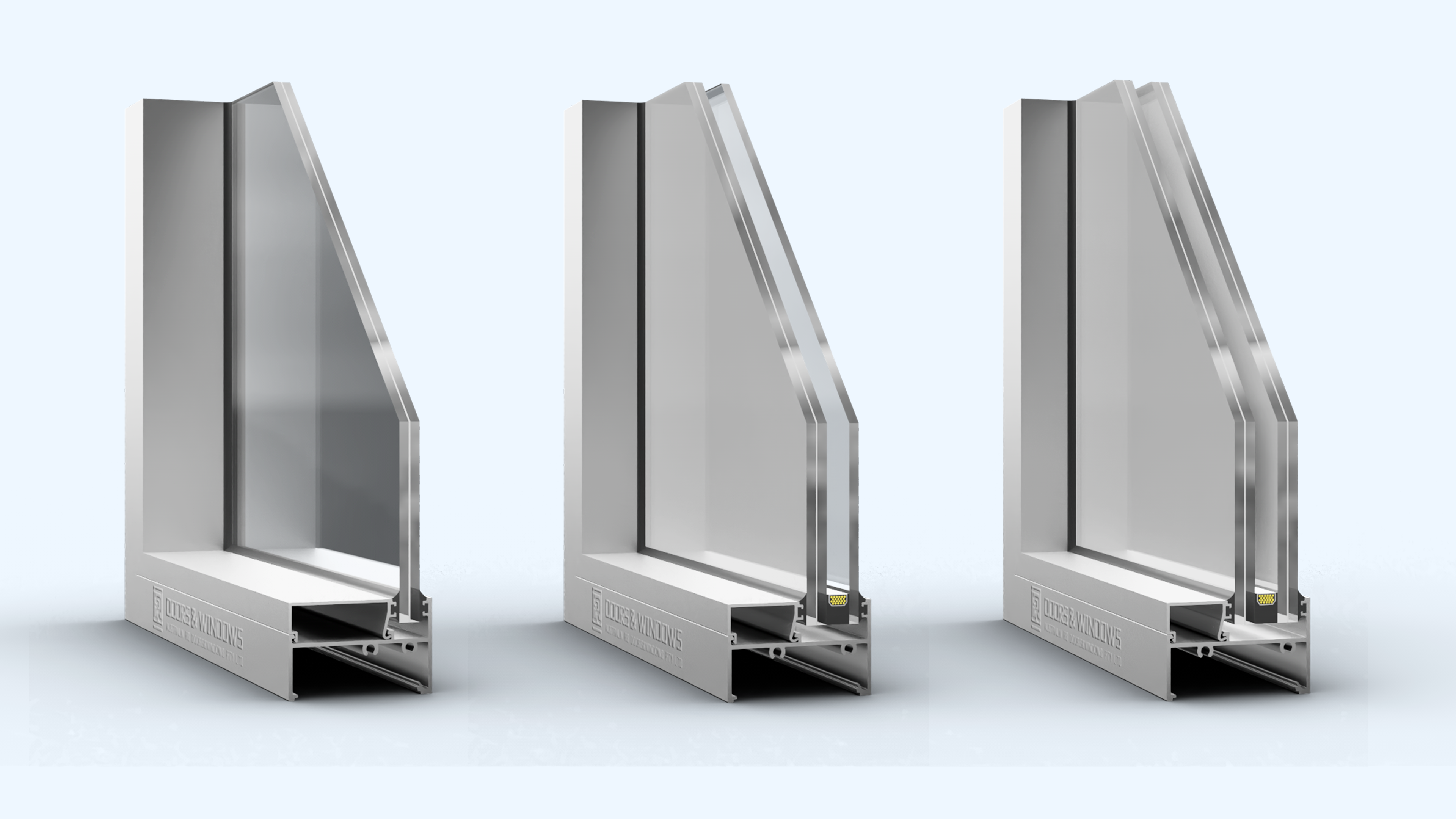
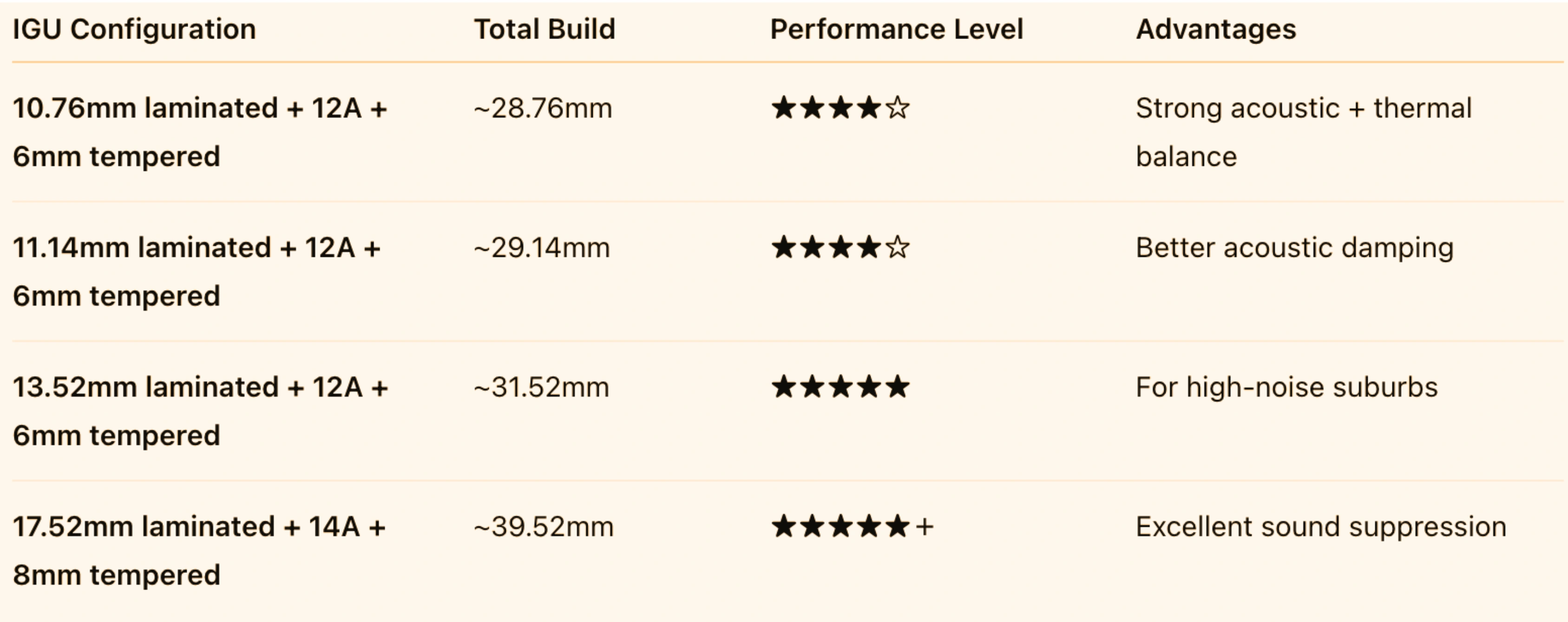
2) Single-Laminated IGU (Double Glazed with One Laminated Pane)
This is one of the most effective configurations for noise control while also improving thermal performance.
The laminated inside pane absorbs sound, while the air gap disrupts sound waves — giving a strong double-layer defence.
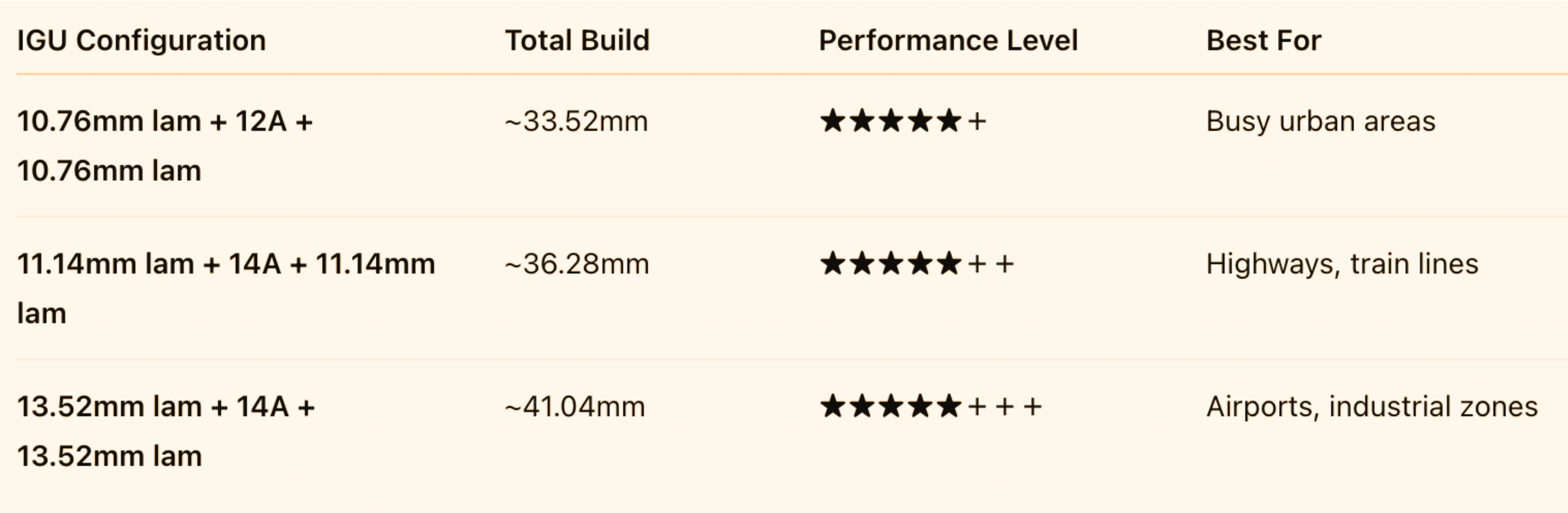
3) Double-Laminated IGU (Both Sides Laminated)
This is the highest-performing acoustic glass system available for residential and commercial use.
You get laminated mass + damping layer + air cavity + laminated mass again, which significantly reduces both low-frequency (traffic rumble) and high-frequency noise.
2. Window Style Matters Just as Much as Glass
Even the best glass won’t perform well if the window type has poor sealing.
1) Best for Acoustic Performance:
2) Lower performance:
- Sliding windows
* They can be upgraded with heavier laminated IGU glass to compensate.
3. Window Frame & Sealing
For acoustic systems, frame rigidity and sealing matter enormously.
Recommended:
- Thermally broken aluminium frames
- Heavy-duty aluminium frames with compression seals
- Full perimeter sealing
Avoid lightweight frames, which can vibrate and reduce performance even with high-spec glass.
4. Recommended Configurations by Noise Level
1) Light Noise
10.76mm laminated glass; Awning or casement windows
2) Moderate Noise
11.14mm or 13.14mm laminated glass; Thermally broken frames; Fixed or casement windows
3) High Noise
Single-laminated IGU with 11.14mm–17.52mm laminated panes; Thermally broken frames; Full perimeter seals
4) Extreme Noise
Double-laminated IGU (laminated + air gap + laminated); Best for airports, railways, highways
5. Common Misconceptions
❌ “Double glazing is automatically soundproof.”
→ Laminated glass is more important than the number of panes.
❌ “Thicker is always better.”
→ The composition matters more than thickness alone.
❌ “Any aluminium frame performs the same.”
→ Incorrect. Sealing varies dramatically.
Conclusion
Acoustic performance depends on selecting the right glass + frame + sealing + window type. With a wide range of laminated, single-laminated IGU and double-laminated IGU systems, homeowners can significantly improve comfort, privacy and indoor living quality.
Contact Us
Want personalised recommendations or need help selecting the best acoustic window system for your home or project?
Get in touch with our team today — we can help you compare configurations, understand performance levels and choose the perfect setup for your location.
About the publisher
This article is published by RS Doors & Windows, the customer-facing brand of Australia RS Doors & Windows Pty Ltd (ABN 59 629 271 227). RS is an Australian-registered aluminium window and door supplier with showroom and service locations in Sydney (Belmore), Melbourne (Clayton) and Adelaide (Marleston). Local consultation, measurement, delivery, installation and after-sales services are provided in Sydney, Melbourne and Adelaide; for other Australian locations RS supplies product only, and installation can be discussed on a project basis.
Our published AS 2047 evidence — StandardsMark certificate SMK40453 and the scope set out in its Schedule — is available on our certification page, and completed projects across Sydney, Melbourne and Adelaide are listed in our project showcase.
Last updated: 13 October 2026.