


Summary: The Short Answer
In most cases, yes — double glazing in Australia is now the smarter and more practical choice, especially for new builds and major renovations.
Here’s why:
1. It helps meet Australia’s stricter 7-Star energy efficiency requirements under the NCC
2. It improves thermal insulation, helping reduce heating and cooling costs
3. It offers noticeably better noise reduction than standard single glazing
4. It makes it easier to achieve the required U-Value and SHGC targets in energy reports
5. The price gap between single and double glazing is now smaller than many homeowners expect
Choosing single glazing may increase costs elsewhere in the project to compensate for poor window performance. For many Australian homes, double glazing is no longer a luxury — it’s becoming the standard.
At RS Doors & Windows, our products come standard with double toughened glazing, delivering better comfort, compliance, and long-term value.
Why More Australians Are Asking About Double Glazing
A few years ago, many Australian homes — especially older homes — still used single glazed windows. Even today, some homeowners requesting quotes still ask for single glazing to save money upfront.
But things are changing quickly.
With:
- rising power bills
- hotter summers
- stricter building regulations
- increasing awareness of comfort and noise control
more Australians are now asking: “Do I need double glazing in Australia?”
What Is Double Glazing?
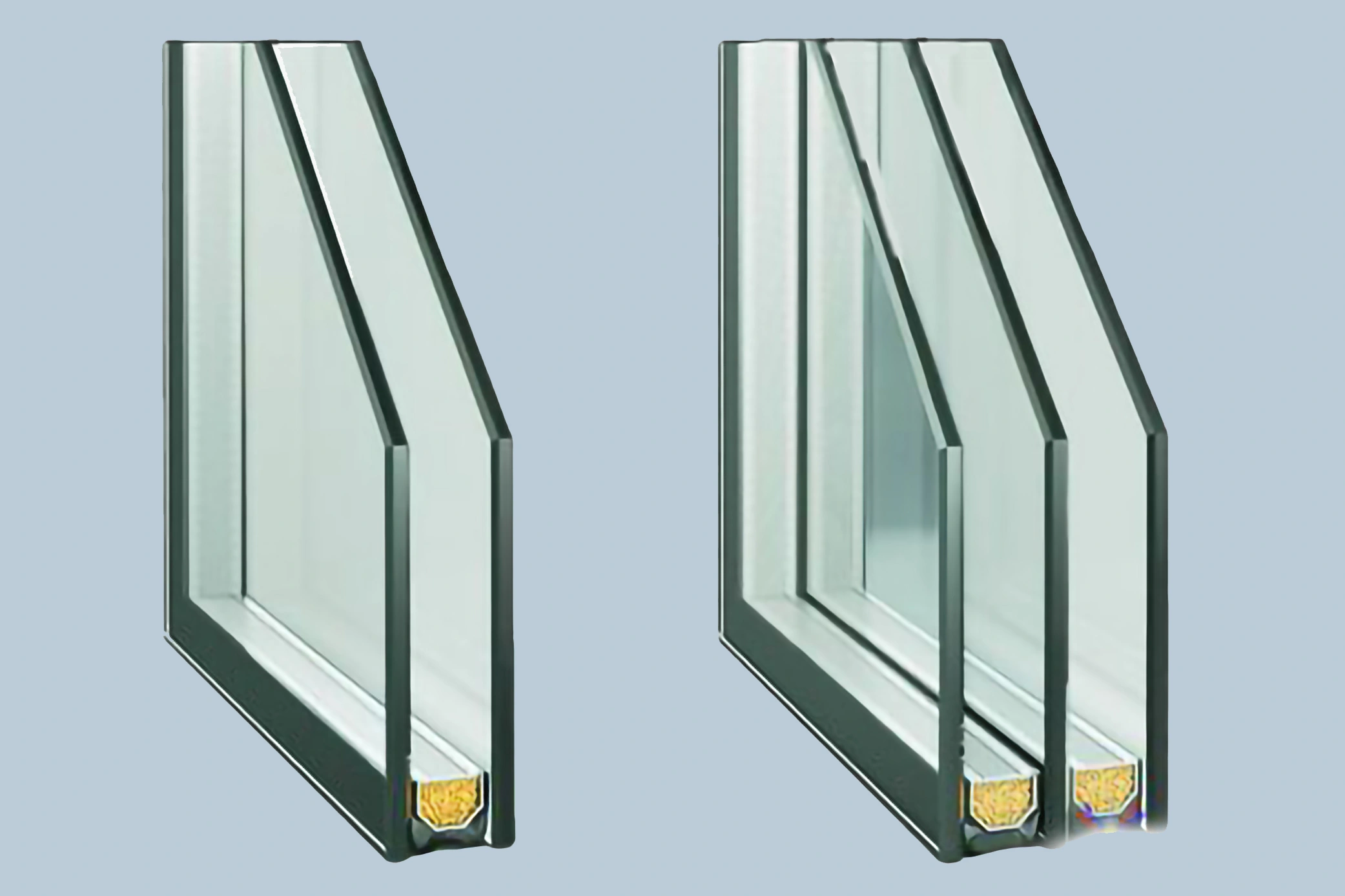
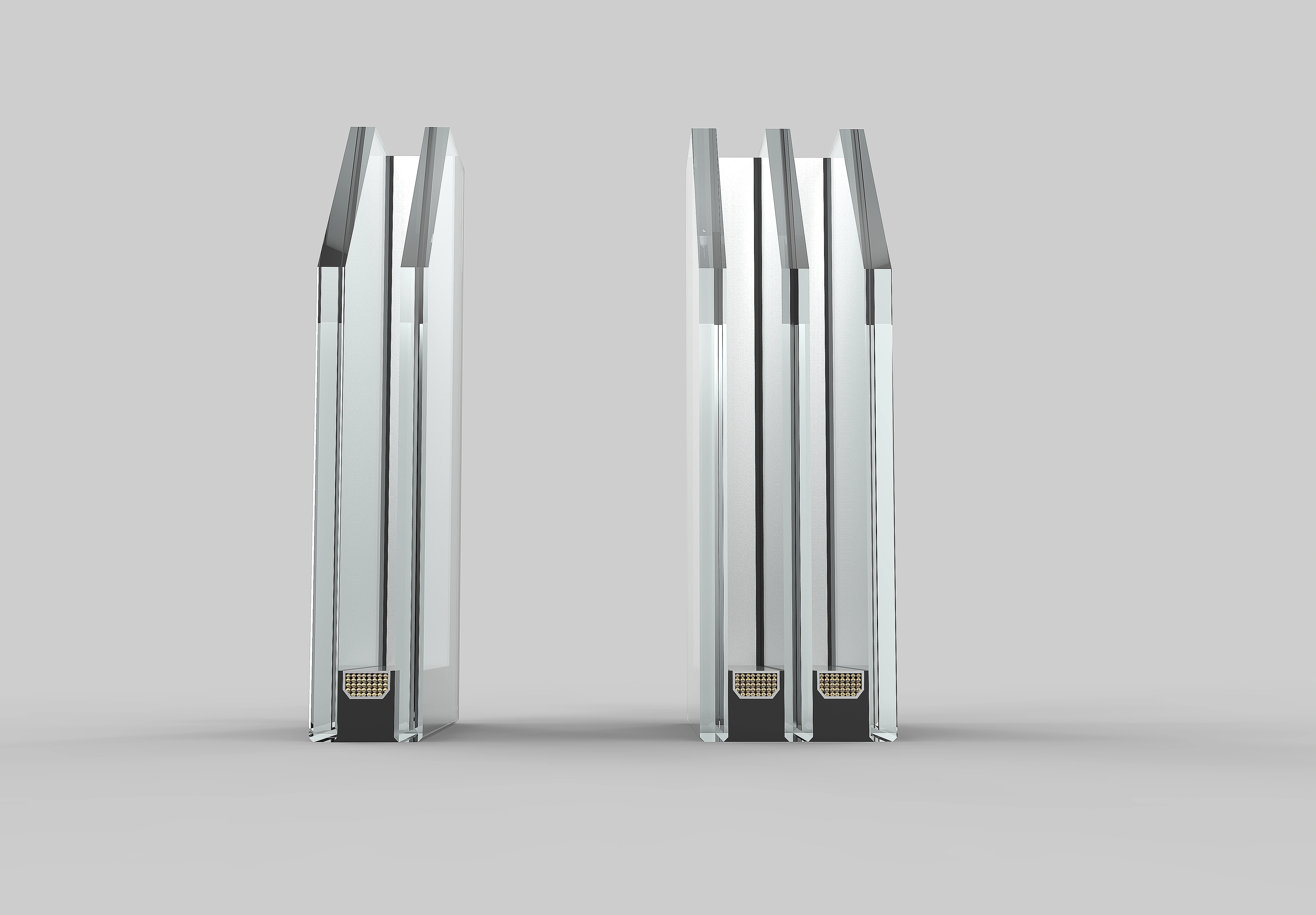
Double glazing uses:
- two panes of glass
- separated by an air gap or inert gas layer
This gap helps slow heat transfer and improve insulation.
Compared with single glazing, double glazing can:
- keep heat out in summer
- keep warmth in during winter
- reduce outside noise
- minimise condensation
Why Single Glazing Is Becoming Less Practical
Single glazing may still be suitable for:
- some internal partitions
- mild-climate secondary structures
- very low-budget projects
But for most external windows and doors, it often underperforms.
Common issues with single glazing:
- poor insulation
- poor acoustic performance
- higher energy bills
- more condensation risk
- harder to meet compliance requirements
In Australia’s climate, single glazing often struggles to achieve the required:
- U-Value (insulation performance)
- SHGC (Solar Heat Gain Coefficient)
If your windows perform poorly, you may need to compensate by spending more on:
- insulation
- shading systems
- HVAC efficiency upgrades
- other building materials
This can increase the overall project cost.
7-Star Energy Efficiency Requirements in Australia
Under the updated National Construction Code (NCC), many new homes now need to achieve a 7-Star NatHERS rating.
That means windows and doors play a major role. Because glazing affects:
- heat gain
- heat loss
- daylight
- ventilation performance
single glazing can make passing energy assessments much harder.
In some cases, poor-performing windows can delay approvals or make it harder to obtain occupancy-related certification if the final build doesn’t align with the approved energy report.
Is Double Glazing Worth the Extra Cost?
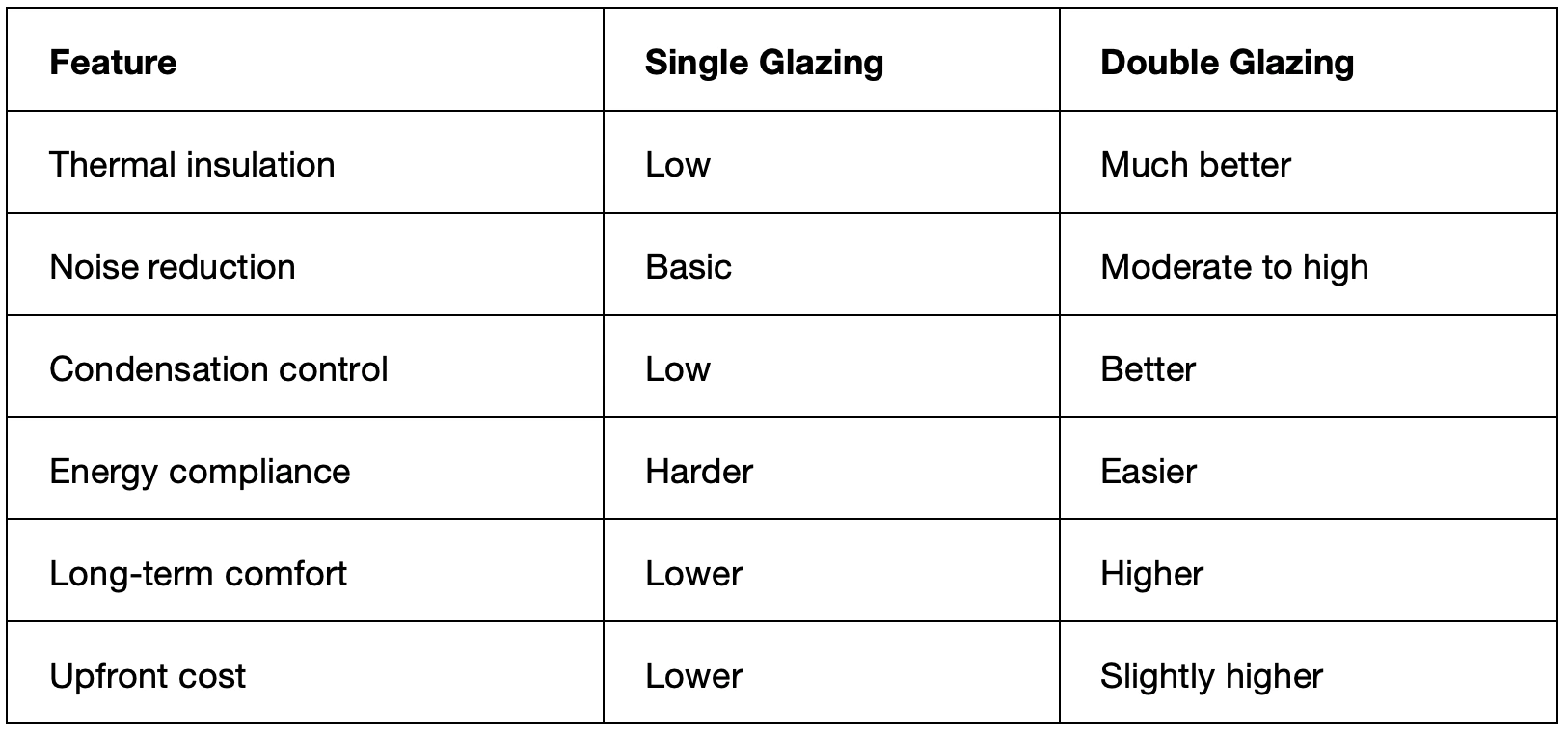
In today’s market, double glazing in Australia has become far more affordable.
The price difference between single and double glazing is often much smaller than people expect.
And because it helps reduce:
- energy bills
- future retrofit costs
- compliance issues
it usually offers better long-term value. In many cases, choosing single glazing to “save money” can cost more later.
Best Glass Configurations for Australian Homes
The right double glazing setup depends on your project.
Common options include:
1. Standard Double Toughened Glass(Our standard configuration)
Strong, safe, and cost-effective.
2. Low-E Double Glazing
Improves thermal performance.
3. Laminated Double Glazing
Better for noise reduction and security.
4. Tinted Double Glazing
Useful for west-facing or sun-exposed façades.
Our Standard: Double Glazing as Standard
At RS Doors & Windows, we supply double toughened glazing as standard across our main product range.
This helps our customers achieve:
- better comfort
- better energy performance
- stronger acoustic results
- easier compliance with Australian requirements
Combined with our:
- Low-E options
- custom glazing upgrades
we can help meet a wide range of project requirements.
When Might Single Glazing Still Be Used?
There are still limited cases where single glazing may be considered:
- internal doors or partitions
- some pergolas or alfresco enclosures
- mild-climate non-habitable structures
But for most homes and compliant new builds, double glazing in Australia is now the practical choice.
So, do you need double glazing in Australia?
- For most new builds: yes
- For most renovations: very likely
- For comfort, compliance, and long-term value: absolutely worth considering
As energy standards rise and comfort expectations increase, double glazing is becoming the new normal in Australian homes.
Contact Us
Planning a new build or renovation?
Our team can help recommend the right glazing option for your home, climate, and energy report requirements.
Explore our range of high-performance windows and doors or contact us today for tailored advice.
About the publisher
This article is published by RS Doors & Windows, the customer-facing brand of Australia RS Doors & Windows Pty Ltd (ABN 59 629 271 227). RS is an Australian-registered aluminium window and door supplier with showroom and service locations in Sydney (Belmore), Melbourne (Clayton) and Adelaide (Marleston). Local consultation, measurement, delivery, installation and after-sales services are provided in Sydney, Melbourne and Adelaide; for other Australian locations RS supplies product only, and installation can be discussed on a project basis.
Our published AS 2047 evidence — StandardsMark certificate SMK40453 and the scope set out in its Schedule — is available on our certification page, and completed projects across Sydney, Melbourne and Adelaide are listed in our project showcase.
Last updated: 13 October 2026.